Sugar vs. Fats
The Strategic Framing of Fats
You know, when I started KeyTones & Cake, it wasn’t just about desserts. It was about doing it differently.
For decades, saturated fat was framed as the villain.
But the story is more complex.
In the 1960s, two ideas competed: fat vs. sugar.
Public policy shifted.
Food companies adapted.
A 1967 review helped cement fat as the problem — and decades later, we learned the sugar industry had funded it
Low-fat became the trend.
Sugar quietly filled the gap.
Since then:
• Obesity rates have climbed
• Sugar-sweetened beverages have been linked to metabolic disease
• Ultra-processed diets have been shown to increase calorie intake
• The World Health Organization now says saturated fat’s impact depends largely on what replaces it
This isn’t about demonizing one nutrient. It’s about understanding how narratives shape food systems.
It’s about recognizing that scientific consensus develops inside systems — and systems have incentives.
Nutrition science evolves. But economic incentives persist.
When an ingredient becomes structurally embedded in global supply chains, its narrative rarely shifts without friction.
And questioning inherited narratives is not rebellion–it’s just due diligence.
At KeyTones & Cake we wanted to change the story–so we build dessert differently:
✔ We do not rely on refined sugar loads
✔ We use real butter
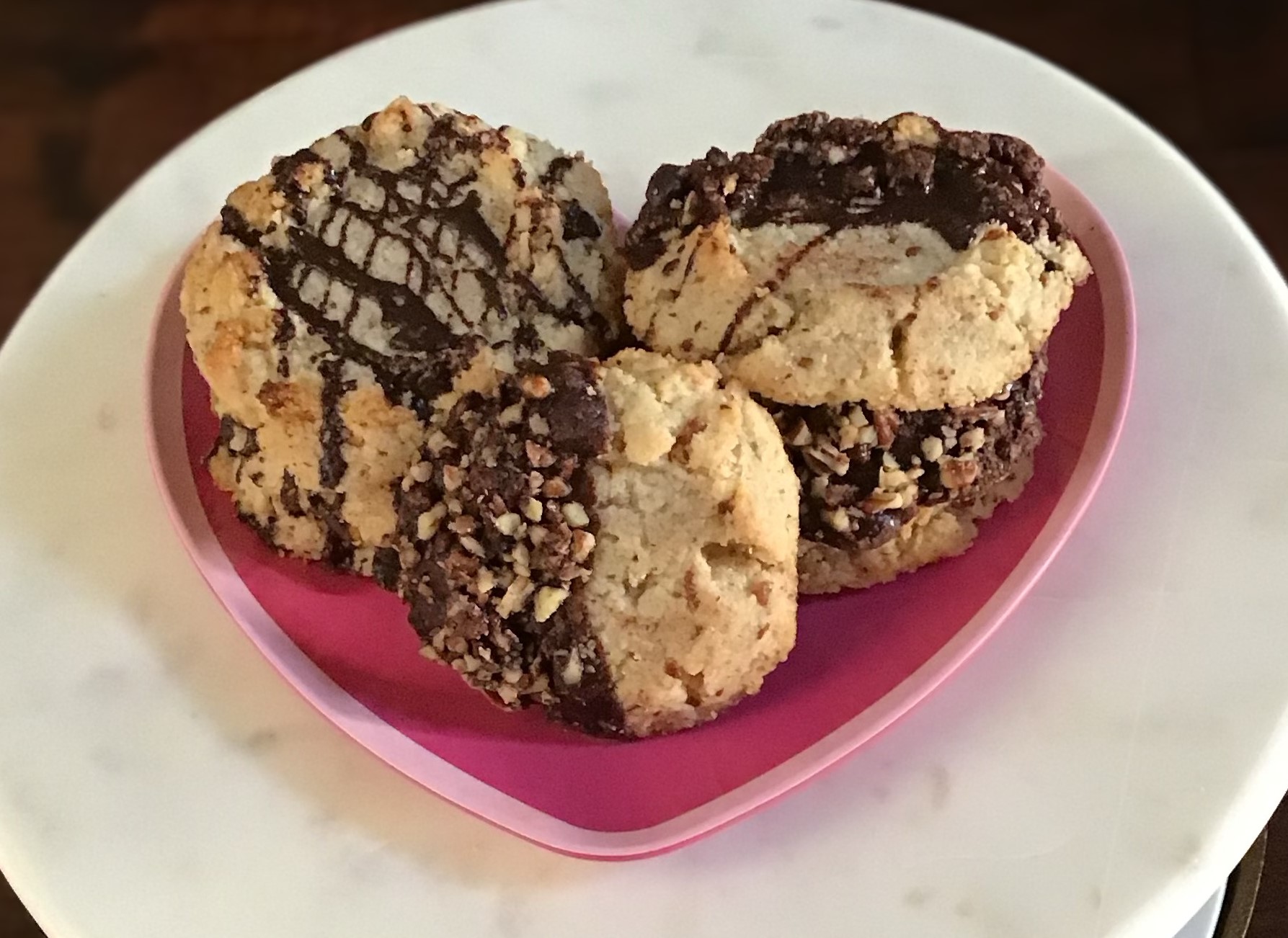
✔ We formulate protein-forward desserts designed around metabolic response, not marketing categories
✔ We avoid artificial dyes and unnecessary additives
Indulgence and integrity aren’t opposites, they’re the point.
➡ So give our sugar-smart, protein-forward desserts a try today — your taste buds (and your body) will thank you!❤️
References:
References – February 2026 Newsletter
1960-2020 Timeline References
Flegal, K. M., Carroll, M. D., Kuczmarski, R. J., & Johnson, C. L. (1998). Overweight and obesity in the United States: Prevalence and trends. International Journal of Obesity, 22(1), 39–47.
Hall, K. D., et al. (2019). Ultra-processed diets cause excess calorie intake and weight gain. Cell Metabolism, 30(1), 67–77.
Hegsted, D. M., McGandy, R. B., Myers, M. L., & Stare, F. J. (1967). Dietary fats, carbohydrates and atherosclerotic disease. New England Journal of Medicine, 277, 186–192.
Kearns, C. E., Schmidt, L. A., & Glantz, S. A. (2016). Sugar industry and coronary heart disease research: A historical analysis of internal industry documents. JAMA Internal Medicine, 176(11), 1680–1685.
Keys, A. (1970). Coronary heart disease in seven countries. Circulation, 41(1 Suppl), I1–I211.
Ludwig, D. S., Peterson, K. E., & Gortmaker, S. L. (2001). Relation between consumption of sugar-sweetened drinks and childhood obesity: A prospective observational analysis. Lancet, 357(9255), 505–508.
Malik, V. S., Li, Y., Pan, A., et al. (2022). Sugar-sweetened beverages and cardiometabolic health: An umbrella review. BMJ, 381, e071609.
Malik, V. S., Popkin, B. M., Bray, G. A., et al. (2010). Sugar-sweetened beverages and risk of metabolic syndrome and type 2 diabetes. Diabetes Care, 33(11), 2477–2483.
Mokdad, A. H., Serdula, M. K., Dietz, W. H., et al. (1999). The spread of the obesity epidemic in the United States. JAMA, 282(16), 1519–1522.
Stanhope, K. L., Schwarz, J. M., Keim, N. L., et al. (2009). Consuming fructose-sweetened beverages increases visceral adiposity and lipids and decreases insulin sensitivity. Journal of Clinical Investigation, 119(5), 1322–1334.
Talukdar, J., et al. (2023). Effects of saturated fat reduction on cardiometabolic outcomes: Overview of systematic reviews. [Systematic Review Publication – 2023].
U.S. Department of Agriculture & U.S. Department of Health and Human Services. (1980). Dietary Guidelines for Americans (1st ed.).
U.S. Department of Health, Education, and Welfare. (1977). Dietary goals for the United States. U.S. Senate Select Committee on Nutrition and Human Needs.
World Health Organization. (2023). Saturated fat and trans-fat intakes and their replacement with other macronutrients: A systematic review and meta-analysis of prospective observational studies. WHO.
Yudkin, J. (1972). Pure, White and Deadly. London: Davis-Poynter.
Factors That Drove Sugar Market Growth 1960-2020 References
Food and Agriculture Organization of the United Nations. (2019). The state of food and agriculture: Food processing and ingredients. FAO.
Food and Agriculture Organization of the United Nations. (1961–2023). FAOSTAT: Sugarcane and sugar production data. FAO.
Harvard T.H. Chan School of Public Health. (2021). Processed foods and ingredient patterns. Harvard University.
Institute of Food Technologists. (2020). Fats and oils in processed foods. Institute of Food Technologists.
International Sugar Organization. (1970–2024). World sugar yearbook. ISO.
Monteiro, C. A., Cannon, G., Levy, R. B., Moubarac, J.‑C., Louzada, M. L., Rauber, F., Khandpur, N., Cediel, G., Neri, D., Martinez‑Steele, E., Baraldi, L. G., & Jaime, P. C. (2019). Ultra‑processed foods: What they are and how to identify them. Public Health Nutrition, 22(5), 936–941.
OECD & FAO. (2000–2024). OECD‑FAO agricultural outlook: Sugar markets and projections. OECD Publishing.
U.S. Department of Agriculture, Economic Research Service. (1960–2023). World sugar price and production historical series. USDA.
Fortune Business Insights. (2024). Sugar market size, share, and industry analysis, 2023–2030. Fortune Business Insights.
IMARC Group. (2023). Sugar market: Global industry trends, share, size, growth, and forecast. IMARC.
Butter Prevalence in Packaged Foods References
Food and Agriculture Organization of the United Nations. (2019). The State of Food and Agriculture: Food Processing and Ingredients.
Institute of Food Technologists. (2020). Fats and Oils in Processed Foods.
Harvard T.H. Chan School of Public Health. (2021). Processed Foods and Ingredient Patterns.
Journal of Food Science. (2018). Functional properties of fats in food manufacturing. Journal of Food Science, 83(4), 913–927.
Mintel Group Ltd. (2023). Global New Product Database (GNPD): Ingredient Usage Trends.
Monteiro, C. A., Cannon, G., Levy, R. B., Moubarac, J. C., Louzada, M. L., Rauber, F., Khandpur, N., Cediel, G., Neri, D., Martinez‑Steele, E., Baraldi, L. G., & Jaime, P. C. (2019). Ultra‑processed foods: What they are and how to identify them. Public Health Nutrition, 22(5), 936–941.
U.S. Department of Agriculture. (2024). USDA Branded Food Products Database.
Sugar-Fat Combination in Packaged Foods References
Fortune Business Insights. (2024). Sugar confectionery market size, share, growth, and industry analysis, 2024–2030. Fortune Business Insights.
IMARC Group. (2024). Confectionery market: Global industry trends, share, size, growth, opportunity, and forecast 2024–2032. IMARC.
Statista. (2024). Confectionery market worldwide – revenue and forecasts. Statista.
MarketWatch. (2024). Global confectionery market research report. MarketWatch.